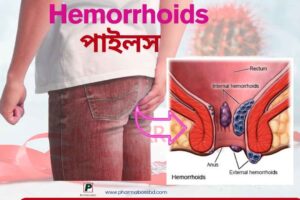


Hemorrhoids (Piles): Causes, Symptom & Treatment
Table of Contents
Haemorrhoids or Piles
Hemorrhoids, also known as piles, are swollen veins in the rectum and anus that can cause discomfort, bleeding, and itching. They are a common condition affecting people of all ages and can be caused by various factors such as straining during bowel movements, obesity, and pregnancy. Treatment options range from lifestyle changes and over-the-counter remedies to medical procedures for severe cases. It is important to seek medical advice if symptoms persist or worsen.
What is Hemorrhoids?
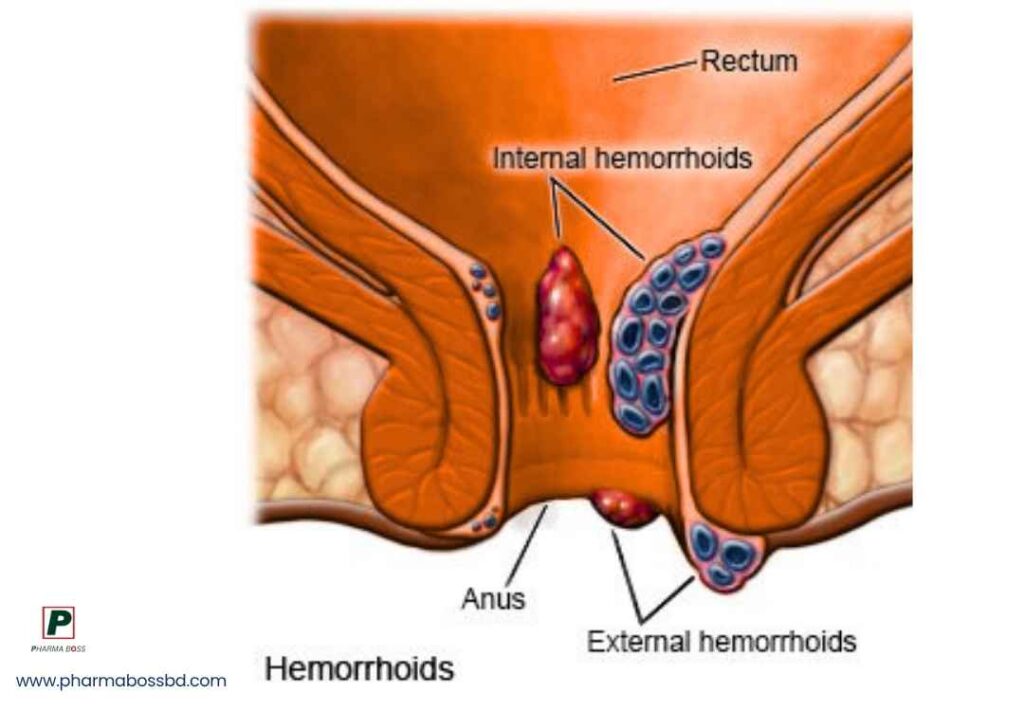
Hemorrhoids are swollen blood vessels in the lower part of the rectum. When these veins are overstressed, they swell and cause hemorrhoids. It can be internal (inside the anus) or external (under the skin outside the anus).
Types of Hemorrhoids or Piles
Piles are usually of two types:
1. The Internal Hemorrhoids
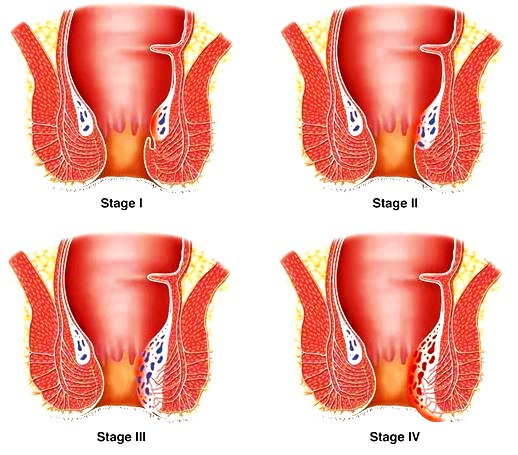
It is formed on the inside of the rectum, 2-4 cm above the anal opening. It is not visible from the outside and is usually painless.
There are four stages of internal piling:
Stage I: swelling, but does not come out.
Stage II: During defecation comes out, but goes inside on its own.
Stage III: Comes out and is taken in with the fingers.
Stage IV: Comes out and can no longer be taken in.
2. The External Hemorrhoids
It is found on the outer edge of the anus. A small rash or lump appears. It is usually accompanied by itching, pain and discomfort. When the blood clots, it can develop into thrombosed piles, which is very painful.
The Causes of Hemorrhoids or Piles
There are several common causes of piles, such as:
1. Long-term constipation
2. Diarrhoea or loose stools
3. Sitting for a long time in the toilet
4. sitting or standing.
5. Old skin
6. Family or genetic history.
7. Eating spicy food
8. Lifting heavy weight.
9. Obesity (being overweight)
10. Inactive Lifestyle
11. Pregnancy (due to increased abdominal pressure)
12. Anal sex.
13. Liver diseases, such as liver cirrhosis: Chronic diseases of the liver, especially liver cirrhosis, can cause high blood pressure in the portal venous system (called portal hypertension). Since this venous system does not have a normal valve, blood pressure is easily transmitted to the anal vein. This leads to swollen veins and an increased risk of hemorrhoids or piles.
Symptoms of Hemorrhoids or Piles
Hemorrhoids, which we commonly known as piles, are a common disease but the symptoms are quite uncomfortable and sometimes embarrassing. The disease is caused by inflammation of the inner or outer part of the rectum. Below we will discuss the symptoms of piles and who is most at risk of this disease.
Hemorrhoids are of two types (internal and external).
The Common Symptoms of Hemorrhoids:
1.Inflammation and pain
2. Fresh bleeding during or after defecation
3. Red blood on the toilet paper
4. Swelling or lump around the anus
5. Pain or discomfort when sitting down
Symptoms of Internal Hemorrhoids:
1. Painless bleeding during defecation
2. Burning or discomfort due to excessive pressure
3. Prolapses can cause pain
Internal piles are often not understood because it is painless and stays inside. But if there is bloodshed, first of all there is suspicion.
Symptoms of External Hemorrhoids:
1. Itching and burning around the anus
2. Painful sensation on touching
3. Feeling uncomfortable while sitting
4. Occasional bleeding or thrombosis (blood clots)
External piles are much more painful, as they occur under sensitive skin and can easily cause swelling and inflammation.
Who is at Risk of Hemorrhoids or Piles?
Hemorrhoids can occur at all ages, but there are certain factors that increase the likelihood of this happening:
1. Long-term constipation or diarrhea
2. Sitting on the toilet for a long time
3. Additional load.
4. Eating spicy food
5. Drink plenty of water.
6. Obesity
7. The pregnancy
8. A history of someone having piles in the family
9. less physical exertion
Complications of Hemorrhoids or piles
Although piles or hemorrhoids are a common health problem, they can cause a variety of complications if not treated in time. In addition to severe discomfort, bleeding and infection, it can greatly reduce the quality of life.
Possible Complications of Hemorrhoids (piles)
1. Thrombosis (clotting of blood)
Blood clots in the external piles can cause sudden swelling, called thrombosed hemorrhoids. It causes pain, redness and swelling. It needs immediate medical attention.
2. Long-term bleeding:
Every time there is fresh bleeding during defecation, it can gradually lead to anemia. This can cause fatigue, weakness and shortness of breath.
3. Prolapsed hemorrhoids:
When the inner piles come out of the anus, it is called prolapse. If it can no longer be taken inside, it can cause pain, discomfort and irritation. In severe cases, surgery may be required.
4. Strangulated hemorrhoids:
If the prolapsed hemorrhoid gets stuck outside and the blood flow stops, it can cause asphyxiation. This is an emergency situation that requires immediate medical attention.
5. Long-term discomfort:
Constant itching, burning and pain cause stress and disrupt normal life.
6. The Infection:
Bacterial infection can occur due to itching or rubbing on the hemorrhoid affected area, which can cause redness, hot feeling and pus on the skin.
The Treatment of Hemorrhoid (Piles)
Treatment of piles depends on the stage and complexity of the disease. Below is a brief description of the main treatment methods:
First Aid Treatment:
1. The use of drugs or ointments
2. Suppository Application
3. Rubber band ligation
4. Injection therapy (sclerotherapy)
Improved Treatment methods:
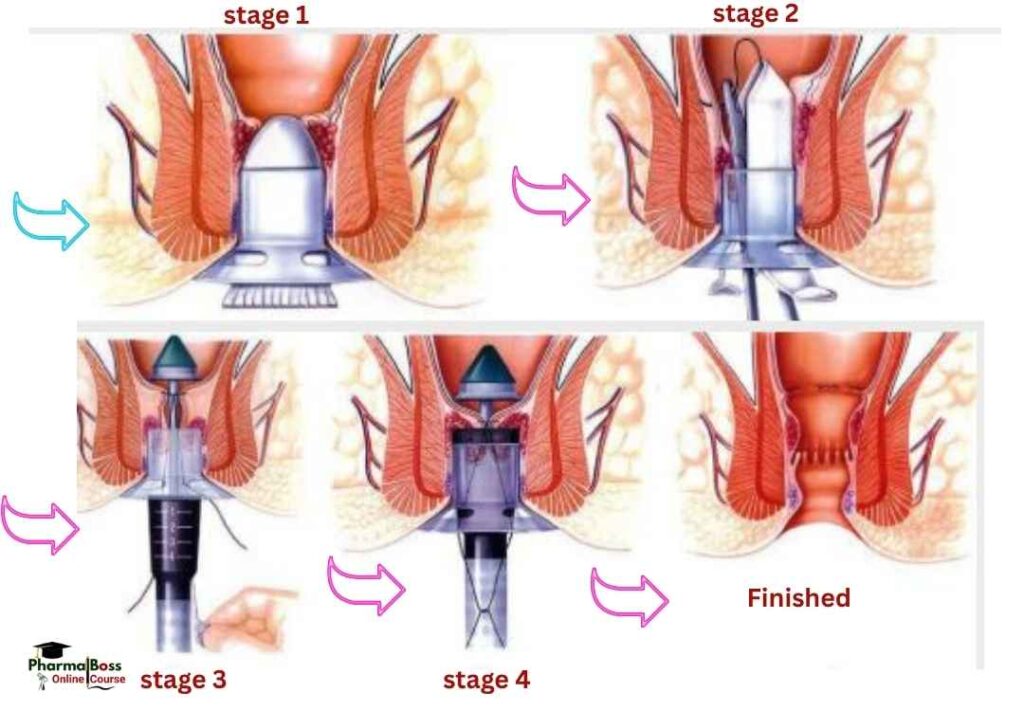
1. Longo operation: Longo operation is a modern and advanced surgical procedure for piles. It is mainly used for internal pilings. In this procedure, a special surgical stapler machine is used to cut the tissue of the piles and stop the blood flow. Longo operation is relatively less painful, ensures faster recovery, and also shortens the patient’s hospital stay.
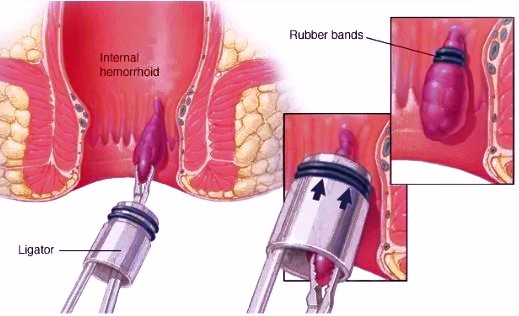
2. Band ligation: Band ligation is an effective and popular treatment for piles. In this, a small rubber band is worn at the base of the piles, which stops the blood supply. As a result, the piles dry up and fall off on their own within 1-2 weeks. After it dries up, the skin returns to normal. In some cases, there may be pain or bleeding after treatment. This treatment may be repeated 2-3 times for better results.
3. Laser Surgery: Laser surgery is a modern, precise and less painful method of treating piles. In this the piles tissue is removed through laser rays, by which the bleeding reduces and the wound dries quickly. This method reduces the risk of infection and allows the patient to quickly return to normal life. But it’s relatively inexpensive.
Other Treatment methods:
1. Cryotherapy: In this method, extremely cold liquid nitrogen or carbon dioxide is applied to the hemorrhoid tissue and the tissue is frozen. The tissue dries up in a few days. It is a low-risk and painless procedure.
2. Infrared Coagulation Therapy: In this method the blood supply to the internal hemorrhoid is stopped with the help of infrared rays. Hemorrhoids dry up and fall off when the blood flow stops.
3. Ultrared or Doppler-Guided Hemorrhoidal Artery Ligation: This procedure uses Doppler ultrasound technology to identify and close the arteries that supply blood to the hemorrhoid. Hemorrhoids gradually dry up. It is a relatively less painful and effective method.
These methods are mainly used in primary or moderate hemorrhoids and have proven effective in many cases as an alternative to surgery.
The risk of the disease returning after any surgery remains, unless lifestyle changes are made.
Lifestyle changes
For those who are in the early stages or want to avoid the risk of surgery, the following tips are very useful:
1. Drink plenty of water (at least 2-3 liters / day)
2. Eat more fruits, vegetables and whole grains.
3. Don’t sit on the toilet for a long time
4. Avoid excessive meat, dairy and caffeine 4.
5. Workout regularly
6. Avoid lifting heavy objects.
7. Use a mild ointment or suppository on the advice of a doctor.
Home Remedies for Hemorrhoids
1. Sitz bath: Soaking the anus in hot water for 10-15 minutes every day reduces inflammation and discomfort. It helps to relieve pain, swelling and redness.
2. Ice or cold compress: Applying ice cubes or cold packs to the anus reduces swelling and temporarily relieves pain. This is especially useful for external piles.
3. Witch hazel and aloe vera gel: Witch hazel is a natural astringent, which helps to reduce itching and inflammation. The cooling and healing properties of aloe vera gel are effective in reducing the irritation and discomfort of hemorrhoids.
These home remedies can relieve early or mild hemorrhoids, but you should consult your doctor if you have chronic or severe symptoms.
Conclusion
Problems with the anus, such as piles, fissures, or fistulas, are considered embarrassing by many, and are often ignored without timely treatment. But it is important to remember, if every disease of the anus can be properly diagnosed and treated at an early stage, then in most cases complications can be avoided.
Constipation is one of the main causes of these problems, so eating habits, drinking enough water, and physical awareness play an important role in preventing these diseases.
It is not shyness, but health awareness and conscious decision making that is the key to a healthy life. Consulting an experienced doctor without delay is the first step to a healthy future.
FAQs- Frequently Asked Questions
How do I know if I have hemorrhoids?
Some of the common symptoms to know if you have piles are:
1. Bleeding during defecation (especially bright red blood)
2. Nausea, vomiting or abdominal pain
3. Swelling or small lumps in the anus, which can sometimes get inside after defecation or need to be pushed in by hand
4. Feeling of pressure during defecation or incomplete defecation
5. Chances of piles are higher if you have chronic constipation or diarrhea
What foods are not allowed to eat?
The following foods should be avoided if you have piles:
1. Spicy and spicy food (lentils, chillies, fried food)
2. Extra tea / coffee and soft drinks
3. Red Meat and Fatty Foods
4. Low-fibre foods (white rice, white bread)
5. Milk and dairy products – may increase constipation in some people
6. Alcohol and smoking – increase blood pressure and reduce water absorption in the intestines
What is the home remedy for piles?
You can take the following home remedies for piles:
1. Sitz bath: soak the anus for 10-15 minutes a day in warm water.
2. Ice packs help to reduce swelling and pain.
3. Aloe vera gel or witch hazel: Reduces inflammation in a natural way
4. Fibre-rich foods: Fruits, vegetables, whole grains, nuts and seeds
5. Drink plenty of water: at least 8-10 glasses a day
6. Walking or light exercise
7. Don’t sit on the toilet for too long
What are the symptoms of piles?
Symptoms of piles are as follows:
1. Bleeding during defecation (bright red blood)
2. Nausea, vomiting, or abdominal pain
3. A tingling or itching sensation around the anus
4. The need to apply additional pressure during defecation
5. Feeling unfulfilled after defecation
6. Sometimes protruding muscle during or after defecation (prolapsed hemorrhoids)
Hemorrhoids are a common disease?
Hemorrhoids are a very common health problem. About 50% of the world’s adults suffer from hemorrhoids at some point in their lives. The disease is equally common in both men and women, especially after the age of 45 the risk increases a lot.
How long do hemorrhoids usually last?
How long the hemorrhoid lasts depends on the type and severity of the disease. Mild piles can be cured in a few days with home remedies and maintaining healthy habits. But in complicated or neglected conditions, it can last for months and it becomes difficult to get relief without treatment.
Do hemorrhoids go away on their own?
Yes, in some cases, internal hemorrhoids can fall off naturally. This process is known as “sloughing,” where the hemorrhoid tissue dies and separates from the body. However, during this time there may be bleeding and discomfort, and this can sometimes be dangerous. Therefore, in this case it is better to consult a doctor.
Tag:Causes of piles in female, Course, External hemorrhoids in females, External hemorrhoids treatment, Hemorrhoids, Hemorrhoids preventions, Hemorrhoids symptoms, Hemorrhoids Treatment, Internal Hemorrhoids treatment, Is piles dangerous, Piles, Piles causes, Piles cure in 3 days, piles preventions, Piles symptoms, Piles treatment, Symptoms of piles in female Piles medicine, What causes hemorrhoids, পাইলস এর চিকিৎসা ঔষধের নাম, পাইলস এর লক্ষণ, পাইলস এর লক্ষণ ও প্রতিকার, পাইলস কেন হয়, বাহ্যিক পাইলস এর লক্ষণ

You may also like